
ClimateFirst Resources
Ideas and discovery

Mike Williams On Scaling Real Estate Resilience
In this episode, Mike shares how a decades-long engineering career provided a front-row seat to the emerging climate risk and resilience challenge, and explains how this inspired him to develop a scalable software solution to help real estate investors and owners take it on.
Investing in Resilience: Making Physical Climate Risk a Financial Priority for Real Estate
Study from the BMO Climate Institute, the Investment Management Corporation of Ontario (IMCO) and ClimateFirst, confirming the business case for investing in resilience in Commercial Real Estate.
Lessons from GARP’s New Guide on Physical Climate Risk: Turning Recommendations into Action
GARP’s new guide on physical climate risk provides a clear framework for improving how physical risks are measured, modeled, and communicated. ClimateFirst is a market-ready solution able to meet these evolving standards.
Beyond Risk Screens: Building a Climate-Informed Strategy
A GRESB Insights blog on how to convert climate hazard risks into financial terms and practical strategies
Is Your Building a Climate Lemon? Why Many Assets Aren’t Climate Ready
Do you have a climate lemon in your portfolio? Find out and learn how to transform it into a resilient asset ready for the future.
Maintaining Asset Value in an Era of Climate Change and Risk
NAIOP CRE.Converge panel on how climate risk is reshaping commercial real estate and driving proactive portfolio strategies.
Your Asset Faces Climate Risks. Now What?
Built to help real estate leaders move from identifying climate risks to taking action, ClimateFirst’s updated Resiliency Plan provides clarity at the asset and portfolio levels.
Are You Ready For California’s SB 261 Requirements?
California’s SB 261 requires certain companies, effective January 1, 2026, to disclose physical and transition climate risks, supporting compliance and long-term resilience and reflective of a changing climate landscape.
How a Real Estate Investment Firm Integrated Climate Resilience into Capital Planning
To assure its investors that physical climate risks were being managed across its high-value portfolio, a major REIT used ClimateFirst to deliver a data-driven plan that identified risks and how they were being addressed, without compromising its long-term investment strategy.
How a Florida Acquisition Team Turned Climate Risk into a Competitive Advantage
An acquisitions team integrates climate risk into its due diligence process to confidently negotiate a purchase price for a Florida property that reflects the true cost of ownership.
How AI and Big Data Can Future-Proof Buildings Against Climate Risk
Mike Williams argues that Canada’s real estate sector must embrace AI and big data to future-proof buildings against rising climate risks, and secure long-term economic and social resilience.
AI for Sustainability
ClimateFirst President & Co-Founder, MIke Williams, shares why AI is a huge opportunity for sustainability.
Portfolio-Level Climate Resilience with PERFORM
Learn how the USGBC’s PERFORM platform can track resilience and performance across entire portfolios.
The Climate Risk Gap in Real Estate Due Diligence — And How to Fix It
Leading investors are including climate hazard and CVaR analysis in their pre-acquisition reviews. Here are the reasons why, the tools they use, and how they apply this intelligence for more informed decision making.
Automating IFRS S2 Building Certification Compliance with ClimateFirst
IFRS S2 Climate-related Disclosure includes requires entities to disclose information about climate-related risks and opportunities that may impact its financials.
Automating BOMA BEST 4.1 Building Certification Compliance with ClimateFirst
BOMA BEST 4.1 Sustainable Building Certification includes climate resilience best practices. ClimateFirst automates compliance with BOMA BEST and other resiliency standards.
Automating LEED v5 Compliance with ClimateFirst
LEED v5 now includes dedicated prerequisites and credits for climate resiliency. Automate the compliance process to meet these requirements and other standards by answering three critical questions.
Automating ASTM E3429-24 Compliance with ClimateFirst
The ASTM E3429-24 standard provides a systematic approach to conducting Property Resilience Assessments (PRA). Like other standards, it emphasizes enhancing the climate resilience of buildings.
Automating GRESB Climate Risk Compliance with ClimateFirst
The 2025 GRESB Real Estate Assessment now includes climate risk and resiliency indicators. ClimateFirst can seamlessly address these indicators to maximize scoring.
The New Resilience Requirements for Commercial Real Estate
Meeting new resilience requirements in building certification and standards programs is easy when you have already answered these three core questions about a property.
The New Climate Risk Landscape: A Conversation with GRESB’s Chris Pyke
A candid discussion about the growing importance of managing physical climate risks in real estate.
The Globe and Mail Business Brief: Wildfires put populist climate rhetoric to the test
“This is just risk management.” Mike Williams reminds Globe and Mail readers that climate risk is business risk.
Strengthen Your GRESB Real Estate Assessments with ClimateFirst
The 2025 GRESB Real Estate Assessment now includes climate risk and resiliency indicators. ClimateFirst can seamlessly address these indicators to maximize scoring.
Brave New World: Investing in Climate Resilience and Adaptation
An excerpt from a panel focused on adaptation and resilience at MaRS Climate Impact conference (2024) featuring Mike Williams in discussion with Aon’s Natalia Moudrak, Risk Nexus (Canada)’s Tania Caceres and Tailwind’s Katie MacDonald.
Reflections and Forecasts: Why Climate Resiliency Will Define Commercial Real Estate in 2025
Insights from the recent Greenbuild conference highlight how sustainability leaders are aligning on climate resiliency as a key driver for both operational performance and financial outcomes.
Technology Partnership Tackles Urgent Climate Risks in Commercial Real Estate
USGBC has announced a technology partnership with ClimateFirst. Integrated into the USGBC’s Arc platform, members can now use ClimateFirst to screen for physical climate risks across entire portfolios.
Climate Resiliency in Action
Leaders from across the commercial real estate sector, including the USGBC and Triovest, discuss the importance of climate resiliency.
Building Climate Resilience
How to harness the power of insurtech and proptech to safeguard real estate portfolios.
USGBC Center for Green Schools Report
Guidance and case studies for schools preparing for the effects of climate change.
Climate Resilient Schools
School leaders and climate experts are implementing climate resilience measures to safeguard students and learning.
ROI for Adaptation in Commercial Real Estate
Explore insights from Tailwind and ClimateFirst on the growing $2 trillion climate adaptation market to protect commercial real estate investments from climate change.
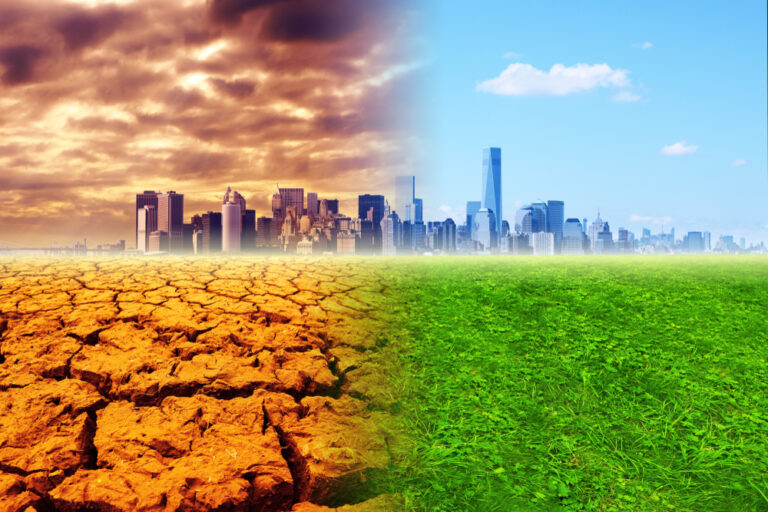
Adapting Commercial Real Estate to Climate Change: Strategies for Managing Risk
Experts from Intact Centre on Climate Adaptation, BREEAM, ClimateCheck, and ClimateFirst share the latest on managing climate risk for buildings.
Navigating Climate Reporting with IFRS S2: What You Need to Know
With the IFRS S2 Climate-Related Disclosures standard now in effect, we asked ClimateFirst’s Head of Science & Solutions, Olivia Pink, to break it down for us.

Level up: The three levels of climate-risk-analysis
Not all climate-risk analysis solutions are equal. Different solutions answer different questions about physical climate risks and buildings. Here is a breakdown of the differences to help asset owners identify the best solution to meet their needs.

Credible CVaR: Put a dollar value on physical climate risks
ClimateFirst’s Head of Science and Solutions, Olivia Pink, answers your questions about Climate Value at Risk (CVaR), what makes it credible, and its essential role in actionable resiliency planning.

Physical Climate Risk – REALPAC
Mike Williams joins REALPAC’s expert panel to discuss Physical Climate Risks for the Commercial Real Estate Industry.
Resilience lacks climate action
Climate Action Needed to Boost Resilience: Call for risk assessment and adaptation in portfolios and buildings.

Putting a dollar amount on climate risk
Sustainable Biz Canada highlights how ClimateFirst is revolutionizing commercial real estate (CRE) risk assessments by assigning a dollar value to physical climate risks.
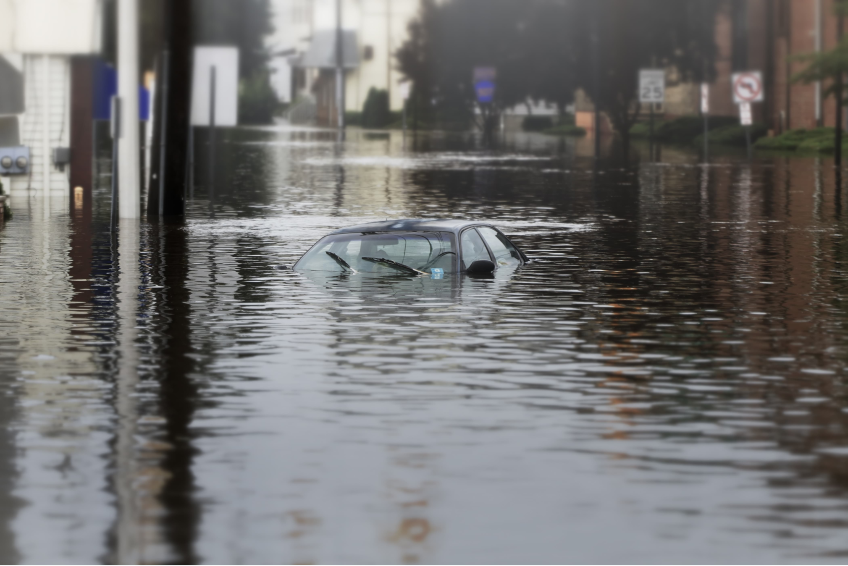
Climate change impacts
Watch Water is the New Fire: The Weather Network documentary featuring ClimateFirst’s Mike Williams, spotlighting climate threats & solutions.
Innovative Alliance with ClimateCheck
First-of-its-kind partnership enables commercial real estate stakeholders to determine value of assets at risk due to climate change.

Enhancing resilience: BOMA BEST 4.0 & ClimateFirst
BOMA BEST 4.0 Sustainable Buildings certification program now includes a focus on climate risk and resiliency. ClimateFirst analysis can support applicants in meeting many of these resiliency requirements with ease.

The missing middle: Climate-risk management for buildings
Assessing a building’s climate risks and resilience is either too vague or too costly and time-consuming. A new option measures climate risk and uses engineering principles to make a plan for long-term resilience.

ESG+R: Your ESG strategy is nothing without the “R”
Climate resiliency for buildings is a growing focus for ESG frameworks and disclosures. Sustainability in a changing climate matters but so does a building’s ability to recover and adapt.
Investing in Resilience: Making Physical Climate Risk a Financial Priority for Real Estate
Study from the BMO Climate Institute, the Investment Management Corporation of Ontario (IMCO) and ClimateFirst, confirming the business case for investing in resilience in Commercial Real Estate.
Lessons from GARP’s New Guide on Physical Climate Risk: Turning Recommendations into Action
GARP’s new guide on physical climate risk provides a clear framework for improving how physical risks are measured, modeled, and communicated. ClimateFirst is a market-ready solution able to meet these evolving standards.
Is Your Building a Climate Lemon? Why Many Assets Aren’t Climate Ready
Do you have a climate lemon in your portfolio? Find out and learn how to transform it into a resilient asset ready for the future.
Your Asset Faces Climate Risks. Now What?
Built to help real estate leaders move from identifying climate risks to taking action, ClimateFirst’s updated Resiliency Plan provides clarity at the asset and portfolio levels.
Are You Ready For California’s SB 261 Requirements?
California’s SB 261 requires certain companies, effective January 1, 2026, to disclose physical and transition climate risks, supporting compliance and long-term resilience and reflective of a changing climate landscape.
How AI and Big Data Can Future-Proof Buildings Against Climate Risk
Mike Williams argues that Canada’s real estate sector must embrace AI and big data to future-proof buildings against rising climate risks, and secure long-term economic and social resilience.
The Climate Risk Gap in Real Estate Due Diligence — And How to Fix It
Leading investors are including climate hazard and CVaR analysis in their pre-acquisition reviews. Here are the reasons why, the tools they use, and how they apply this intelligence for more informed decision making.
Automating IFRS S2 Building Certification Compliance with ClimateFirst
IFRS S2 Climate-related Disclosure includes requires entities to disclose information about climate-related risks and opportunities that may impact its financials.
Automating BOMA BEST 4.1 Building Certification Compliance with ClimateFirst
BOMA BEST 4.1 Sustainable Building Certification includes climate resilience best practices. ClimateFirst automates compliance with BOMA BEST and other resiliency standards.
Automating LEED v5 Compliance with ClimateFirst
LEED v5 now includes dedicated prerequisites and credits for climate resiliency. Automate the compliance process to meet these requirements and other standards by answering three critical questions.
Automating ASTM E3429-24 Compliance with ClimateFirst
The ASTM E3429-24 standard provides a systematic approach to conducting Property Resilience Assessments (PRA). Like other standards, it emphasizes enhancing the climate resilience of buildings.
Automating GRESB Climate Risk Compliance with ClimateFirst
The 2025 GRESB Real Estate Assessment now includes climate risk and resiliency indicators. ClimateFirst can seamlessly address these indicators to maximize scoring.
The New Resilience Requirements for Commercial Real Estate
Meeting new resilience requirements in building certification and standards programs is easy when you have already answered these three core questions about a property.
Strengthen Your GRESB Real Estate Assessments with ClimateFirst
The 2025 GRESB Real Estate Assessment now includes climate risk and resiliency indicators. ClimateFirst can seamlessly address these indicators to maximize scoring.
Navigating Climate Reporting with IFRS S2: What You Need to Know
With the IFRS S2 Climate-Related Disclosures standard now in effect, we asked ClimateFirst’s Head of Science & Solutions, Olivia Pink, to break it down for us.
Level up: The three levels of climate-risk-analysis
Not all climate-risk analysis solutions are equal. Different solutions answer different questions about physical climate risks and buildings. Here is a breakdown of the differences to help asset owners identify the best solution to meet their needs.
Credible CVaR: Put a dollar value on physical climate risks
ClimateFirst’s Head of Science and Solutions, Olivia Pink, answers your questions about Climate Value at Risk (CVaR), what makes it credible, and its essential role in actionable resiliency planning.
Enhancing resilience: BOMA BEST 4.0 & ClimateFirst
BOMA BEST 4.0 Sustainable Buildings certification program now includes a focus on climate risk and resiliency. ClimateFirst analysis can support applicants in meeting many of these resiliency requirements with ease.
The missing middle: Climate-risk management for buildings
Assessing a building’s climate risks and resilience is either too vague or too costly and time-consuming. A new option measures climate risk and uses engineering principles to make a plan for long-term resilience.
ESG+R: Your ESG strategy is nothing without the “R”
Climate resiliency for buildings is a growing focus for ESG frameworks and disclosures. Sustainability in a changing climate matters but so does a building’s ability to recover and adapt.
Mike Williams On Scaling Real Estate Resilience
In this episode, Mike shares how a decades-long engineering career provided a front-row seat to the emerging climate risk and resilience challenge, and explains how this inspired him to develop a scalable software solution to help real estate investors and owners take it on.
Beyond Risk Screens: Building a Climate-Informed Strategy
A GRESB Insights blog on how to convert climate hazard risks into financial terms and practical strategies
Maintaining Asset Value in an Era of Climate Change and Risk
NAIOP CRE.Converge panel on how climate risk is reshaping commercial real estate and driving proactive portfolio strategies.
AI for Sustainability
ClimateFirst President & Co-Founder, MIke Williams, shares why AI is a huge opportunity for sustainability.
The Globe and Mail Business Brief: Wildfires put populist climate rhetoric to the test
“This is just risk management.” Mike Williams reminds Globe and Mail readers that climate risk is business risk.
Brave New World: Investing in Climate Resilience and Adaptation
An excerpt from a panel focused on adaptation and resilience at MaRS Climate Impact conference (2024) featuring Mike Williams in discussion with Aon’s Natalia Moudrak, Risk Nexus (Canada)’s Tania Caceres and Tailwind’s Katie MacDonald.
AI for Sustainability
ClimateFirst President & Co-Founder, MIke Williams, shares why AI is a huge opportunity for sustainability.
Portfolio-Level Climate Resilience with PERFORM
Learn how the USGBC’s PERFORM platform can track resilience and performance across entire portfolios.
The New Climate Risk Landscape: A Conversation with GRESB’s Chris Pyke
A candid discussion about the growing importance of managing physical climate risks in real estate.
Brave New World: Investing in Climate Resilience and Adaptation
An excerpt from a panel focused on adaptation and resilience at MaRS Climate Impact conference (2024) featuring Mike Williams in discussion with Aon’s Natalia Moudrak, Risk Nexus (Canada)’s Tania Caceres and Tailwind’s Katie MacDonald.
Reflections and Forecasts: Why Climate Resiliency Will Define Commercial Real Estate in 2025
Insights from the recent Greenbuild conference highlight how sustainability leaders are aligning on climate resiliency as a key driver for both operational performance and financial outcomes.
Climate Resiliency in Action
Leaders from across the commercial real estate sector, including the USGBC and Triovest, discuss the importance of climate resiliency.
Investing in Resilience: Making Physical Climate Risk a Financial Priority for Real Estate
Study from the BMO Climate Institute, the Investment Management Corporation of Ontario (IMCO) and ClimateFirst, confirming the business case for investing in resilience in Commercial Real Estate.
How a Real Estate Investment Firm Integrated Climate Resilience into Capital Planning
To assure its investors that physical climate risks were being managed across its high-value portfolio, a major REIT used ClimateFirst to deliver a data-driven plan that identified risks and how they were being addressed, without compromising its long-term investment strategy.
How a Florida Acquisition Team Turned Climate Risk into a Competitive Advantage
An acquisitions team integrates climate risk into its due diligence process to confidently negotiate a purchase price for a Florida property that reflects the true cost of ownership.


